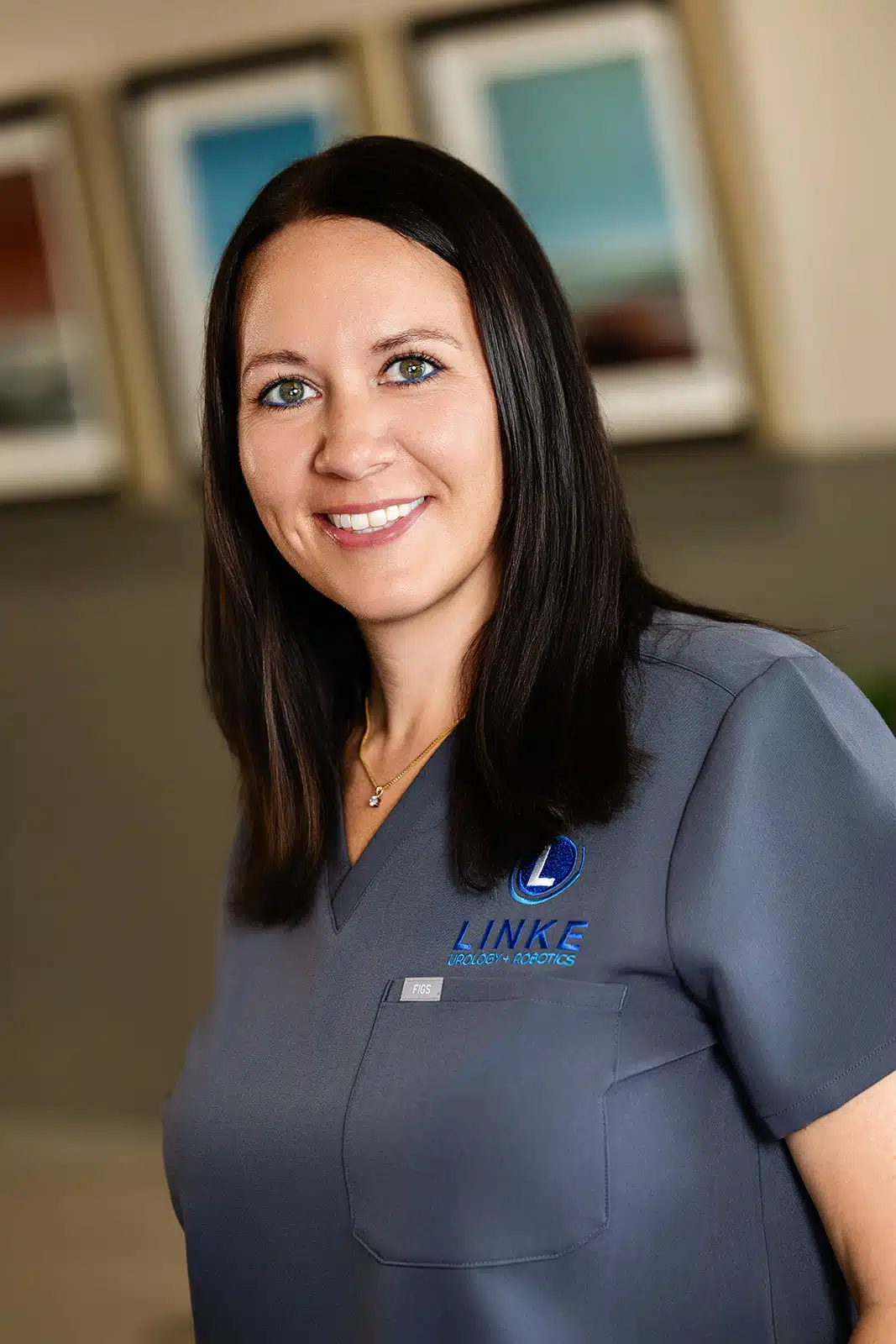
Perimenopause and menopause care built around your labs and your symptoms — bioidentical testosterone pellets, plus estradiol, progesterone, and vaginal estrogen when they’re right for you — from Katy Cool, FNP-C at our Anderson office.
As estrogen, progesterone, and testosterone fall, the changes show up everywhere: sleep, mood, energy, intimacy, even the bladder. Too many women are told to simply wait it out.
Which hormones are low, and by how much, is different for every woman. That’s why Katy starts with your story and your bloodwork — then builds a plan around you, not a one-size-fits-all prescription.
Hormone therapy isn’t one thing. Depending on your symptoms, history, and whether you still have your uterus and ovaries, your plan may include one or several of these.
Bioidentical EvexiPEL® pellets placed under the skin in about 15 minutes, releasing a steady dose for three to four months. The best-studied benefit is renewed sexual desire after menopause; many women also report better energy, mood, and focus.
The most effective treatment for hot flashes and night sweats, and it helps protect bone. Available as a patch, gel, or pellet. Katy will talk through the form and dose that fit your symptoms and your health history.
If you still have your uterus and take estrogen, progesterone protects the uterine lining. Many women find it also helps with sleep. It’s usually taken as a capsule at bedtime.
A low-dose cream, tablet, or ring applied locally to relieve dryness, painful intercourse, urgency, and recurrent urinary tract infections. Very little is absorbed into the bloodstream, so it’s an option for most women — including many who can’t take systemic hormones.
For women who can’t or prefer not to use hormones, there are prescription non-hormonal treatments for hot flashes, plus targeted treatments for sleep, mood, and sexual symptoms. Hormones are a choice, not a requirement.
Overactive bladder, recurrent UTIs, pelvic organ prolapse, and painful sex often show up in the same years as menopause. Katy treats those here too, so you aren’t bounced between offices.
A hormone-only clinic can prescribe estrogen. It can’t treat the bladder leaks, the recurrent infections, or the pain with intercourse that so often come with it. We can.
Your plan starts with a comprehensive hormone panel and is fine-tuned at follow-up, so your levels land in a healthy range for you — not a standard dose for everyone.
Hormone therapy has the best balance of benefit and risk when it’s started in the years around menopause and matched to your history — breast health, clotting risk, migraines, and whether you still have your uterus all factor in. Katy reviews every one of them.
Katy works alongside Dr. Colin Linke, a board-certified urologist. Your hormone care is part of a full urology and sexual-health practice — not a kiosk.
Katy reviews your symptoms, health history, and goals, and orders a comprehensive hormone panel so treatment is based on data, not guesswork.
Together you go over your results and choose the combination that fits — pellets, patches, creams, capsules, or a non-hormonal approach — and what to expect, including cost.
Prescriptions are sent to your pharmacy the same day. If pellets are part of your plan, the insertion is done in the office in about 15 minutes with local numbing.
Labs and symptoms are rechecked about 4–6 weeks in, then periodically. Doses are adjusted as your body responds, and your plan is reviewed at least once a year.
Katy is a board-certified Family Nurse Practitioner, credentialed by the American Academy of Nurse Practitioners, with an additional specialty certification in urology. She earned her Master of Science in Nursing from Ball State University and brings more than 15 years of medical experience to her patients.
Her clinical focus includes women’s and men’s sexual health, hormone replacement therapy, overactive bladder and incontinence, pelvic organ prolapse, interstitial cystitis, and recurrent urinary tract infections — which means she understands how hormones, bladder health, and intimacy overlap in ways a single-issue clinic often misses.
Katy sees hormone therapy patients at our Anderson office. Appointments are relaxed, unhurried, and built around your questions.
Meet the Rest of Our Team ›Hormone therapy may be a good fit if you are:

Katy will review your full history before recommending treatment. Systemic hormone therapy is generally not recommended for women who are pregnant or breastfeeding, have a history of breast or other hormone-sensitive cancer, have had a blood clot, stroke, or heart attack, have unexplained vaginal bleeding, or have significant liver disease. In many of these situations, local vaginal estrogen or non-hormonal options may still be appropriate — and Katy will walk you through what is and isn’t safe for you.
Your consultation and lab work are generally billed to your insurance like any other urology visit, and prescription hormones — patches, gels, progesterone capsules, and vaginal estrogen — are usually covered like other prescriptions, depending on your plan.
Pellet insertion is offered on a self-pay basis, like most hormone pellet programs. We’ll go over exact pricing with you at your consultation before anything is scheduled — no surprises. Ask us about pricing when you call: 765-DR-LINKE (765-375-4653).
For most healthy women who start within about ten years of menopause or before age 60, the benefits of hormone therapy for bothersome symptoms outweigh the risks — that is the current position of the leading menopause and women’s health organizations. Risks depend on your age, how long you’ve been in menopause, the type and dose of hormone, and your personal and family history, which is why Katy reviews all of it before recommending a plan.
No. Pellets are one option, and a popular one for testosterone. Estradiol and progesterone are also available as patches, gels, and capsules that are FDA-approved and often covered by insurance. Katy will help you choose the form that fits your symptoms, preferences, and budget.
Often, yes. Low-dose vaginal estrogen restores the tissue of the vagina, urethra, and bladder base, which reduces urgency, burning, and recurrent urinary tract infections after menopause. Because we’re a urology practice, we can also treat overactive bladder and incontinence directly if they need more than hormones.
Yes, usually in a simpler direction. Without a uterus, most women don’t need progesterone alongside estrogen. If your ovaries were also removed, your testosterone and estrogen dropped abruptly, and many women in surgical menopause feel dramatically better with both replaced.
There is no fixed cutoff. Katy reassesses your symptoms, labs, and health at least once a year, and you can continue as long as the benefits outweigh the risks for you. Some women taper off after a few years; others stay on a low dose long-term.
Hormone therapy isn’t a weight-loss treatment, but restoring estrogen and testosterone can make it easier to keep muscle, sleep well, and have the energy to exercise — all of which help with the midlife weight gain many women notice around the middle.
No referral is needed. Call our Anderson office at 765-DR-LINKE (765-375-4653) or request a consultation online to get started.
Testosterone products are not currently FDA-approved for use in women, and hormone pellets are compounded medications; prescribing them for women is considered off-label, which is common in menopause care. FDA-approved estradiol, progesterone, and vaginal estrogen products are available, and Katy will discuss all of your options. Individual results vary, and no outcome can be guaranteed.
Schedule a hormone consultation with Katy Cool, FNP-C at our Anderson office. Serving women across Anderson, Muncie, Noblesville, Pendleton, and central Indiana.
EvexiPEL® is a registered trademark of EVEXIAS Health Solutions. This page is for general educational purposes and is not a substitute for a personal medical evaluation. Treatment decisions are made with your provider after a review of your history and lab results.